Living in the South End: An Essential Guide for Young Professionals
Explore South End’s urban, artsy vibe: Walk Score 97, Transit 93, $3,604 median 1BR rent, SoWa markets, Orange Line and Silver Line access.
Written ByCorey Stallings
PublishedSeptember 3, 2026
I'm Corey Stallings, a Boston real estate agent with eXp Realty serving buyers and sellers across Boston, Quincy, Randolph and Dedham. Let's win your next move. Serving Boston, Randolph, Dedham and Quincy, MA.
The South End is one of Boston's most beautiful neighborhoods, but beauty isn't really the point. What makes it stand out is how livable it is for people building careers, friendships, and long-term roots in the city. If you're trying to figure out where to land as a young professional, this guide walks through what daily life actually feels like here, what your money gets you, where people spend their time, and how painless your commute will be.
Here's what you need to know.
What Is the Vibe Like in the South End?
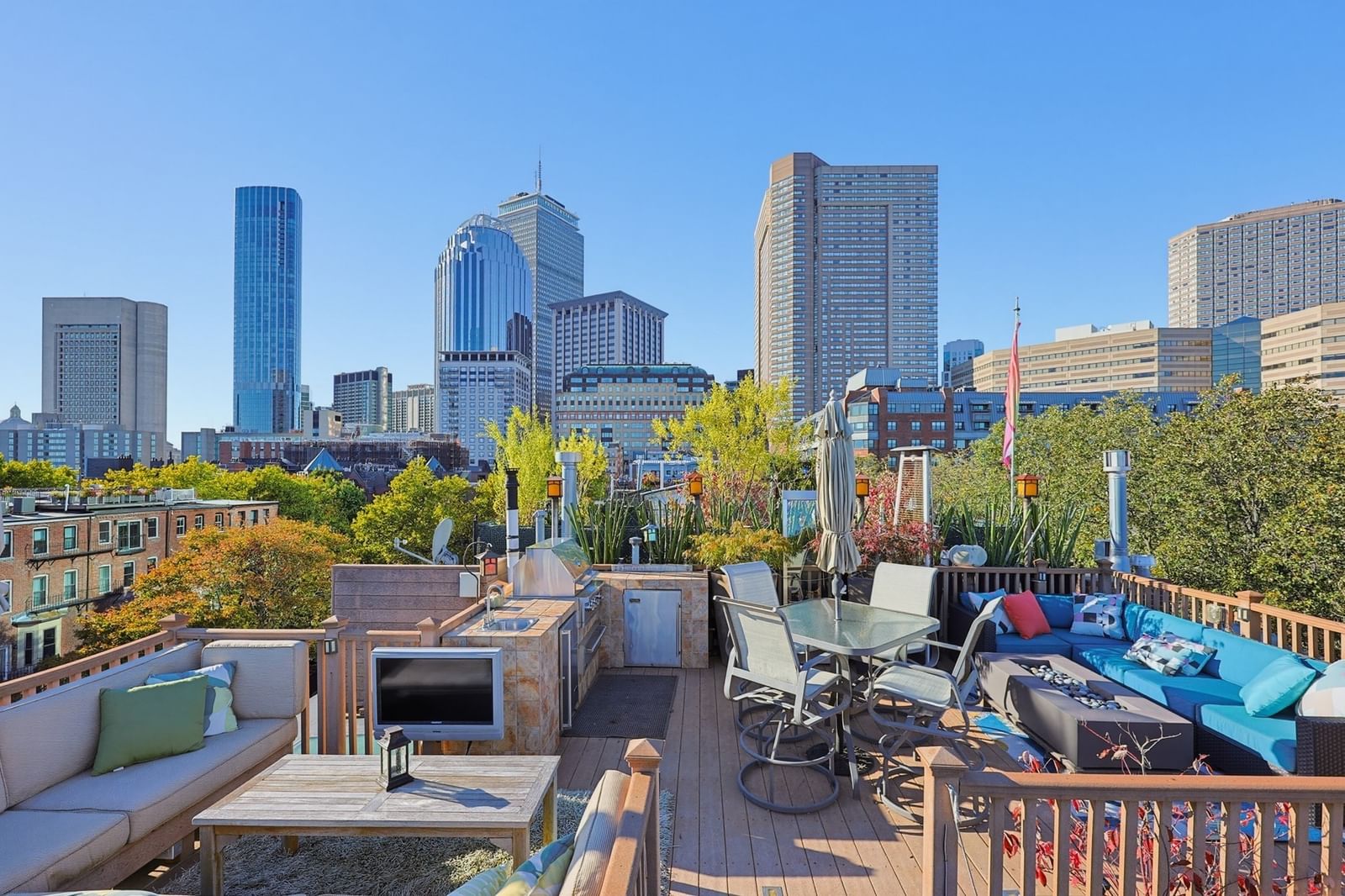
The South End is urban, walkable, and lively, yet it still feels like a real neighborhood instead of a downtown corridor. You get sidewalk cafés, tree-lined blocks, a strong arts culture, and a genuine sense of community, all in a place where you rarely need a car.
That balance is the whole draw. When I show buyers and renters around Boston, the South End is where people who want energy without the chaos tend to end up. Back Bay feels more polished and commercial. Seaport is newer and glassier. The South End sits comfortably in between: historic and grounded, but never sleepy.
A few things shape the daily rhythm here:
•Streets built for lingering. Patio dining, boutiques, and coffee spots run right through the residential blocks. A morning might start with pastries from Flour Bakery + Cafe before you head out for the day.
•A serious arts scene. The SoWa Art + Design District anchors the neighborhood's creative identity, pulling in galleries, makers, and weekend crowds.
•A young, ambitious crowd. Roughly 28% of South End residents are ages 25–34 (compared to 23% citywide), and about 66% hold a bachelor's degree or higher. This is very much a neighborhood of early-to-mid-career professionals and creatives.
And the walkability isn't just a vibe. It's measurable.
South End Mobility Scores
The neighborhood’s urban advantage is clear: elite walk, transit, and bike scores support a car-light lifestyle for commuters, hospital workers, grad students, and downtown professionals.
The neighborhood’s urban advantage is clear: elite walk, transit, and bike scores support a car-light lifestyle for commuters, hospital workers, grad students, and downtown professionals.
With a Walk Score of 97, a Transit Score of 93, and a Bike Score of 92, the South End is about as car-optional as Boston gets. That matters for both your budget and your sanity. Only about 57% of South End households own a vehicle, well below the citywide 65%.
What Are Condos and Townhomes Like in the South End?
The South End is defined by Victorian brick brownstones, most of them converted into condos, alongside a growing wave of sleek loft and new-construction buildings. Expect premium finishes, compact urban footprints, and seven-figure pricing if you want to own. This is actually the largest intact Victorian bowfront rowhouse district in the country, and much of it sits on the National Register of Historic Places.
Here's the reality of what you're choosing between:
•Classic brownstone condos. Those iconic bowfront rowhouses have mostly been divided into multi-family condos and luxury townhomes. Picture high ceilings, original detail, and that quintessential Boston streetscape.
•Modern lofts and new development. Areas like Ink Block and SoWa offer industrial-chic conversions and full-amenity buildings for buyers who prefer new over historic.
•Compact, low-maintenance living. Lots are small by design. You're trading square footage and yard work for location, walkability, and lock-and-leave convenience.
As for pricing, here's where the market stands.
South End 2026 Market Snapshot
A quick read on South End’s current housing conditions: seven-figure pricing, fast median market time, and a competitive but not overheated sale-to-list ratio.
Recent numbers point to seven-figure median sale prices, with homes still moving relatively quickly and a sale-to-list ratio that runs close to asking. A meaningful share of homes sell above list, but a similar share of listings also see price cuts. In plain terms: well-priced, move-in-ready homes go fast, while overpriced or dated units linger and negotiate.
One note for buyers: brownstone condo HOA fees vary a lot depending on building size and amenities. A boutique four-unit rowhouse carries very different monthly costs than a full-service luxury building. I always tell buyers to underwrite the monthly fee, not just the sale price, because it changes your true cost of ownership more than people expect.
Should You Rent or Buy in the South End?
For most young professionals, renting first is the norm here. The South End is a renter-majority neighborhood. That's not a knock. It's a sign of strong rental demand and flexibility.
South End Housing Mix: Renters vs. Owners
South End remains renter-majority, a useful signal for young professionals weighing flexibility, rental demand, and future resale dynamics in a high-cost neighborhood.
TOTAL
Owner Occupied
39.3%
Renter Occupied
60.7%
South End remains renter-majority, a useful signal for young professionals weighing flexibility, rental demand, and future resale dynamics in a high-cost neighborhood.
About 60.7% of units are renter-occupied, versus 39.3% owner-occupied. If you're not ready to commit to a seven-figure purchase, you're in good company, and you'll have plenty of inventory to work with.
Renting here isn't cheap, though. The South End sits high on Boston's rent ladder.
1BR Rent Comparison: South End vs. Peer Boston Neighborhoods
For young professionals comparing lifestyle tradeoffs, South End sits near the top of Boston’s 1-bedroom rent ladder—below Seaport/Fort Point but above Back Bay, South Boston, Fenway-Kenmore, and Jamaica Plain in this dataset.
For young professionals comparing lifestyle tradeoffs, South End sits near the top of Boston’s 1-bedroom rent ladder—below Seaport/Fort Point but above Back Bay, South Boston, Fenway-Kenmore, and Jamaica Plain in this dataset.
At a median 1BR rent around $3,604, the South End lands below Seaport/Fort Point but above Back Bay, South Boston, Fenway-Kenmore, and Jamaica Plain. You're paying a premium for the location and the lifestyle. My honest advice is to weigh whether the walkability and social scene justify the difference over somewhere like Fenway or JP for your particular situation.
Where Do People Gather in the South End?
Life in the South End revolves around Tremont Street's dining scene, the weekend SoWa markets, and a surprising number of green spaces tucked between the brownstones. This is a neighborhood you experience on foot, and there's always somewhere to be.
The core gathering spots:
•Tremont Street's "Restaurant Row." This is the culinary heart of the neighborhood, packed with award-winning kitchens, cozy bistros, and longtime staples. Spots like Coppa and the long-running Franklin Cafe show off the range, from lively to laid-back.
•The SoWa Open Market. On weekends, SoWa turns into a hub of local crafts, farm stalls, and food trucks. It's about as close as the neighborhood gets to a communal living room.
•Parks and squares. Peters Park, including its well-loved dog park , plus Blackstone and Franklin Squares, gives residents real outdoor space, community gardens, and athletic courts.
There's also a strong wellness and fitness culture here, which tends to matter to the young-professional crowd. Boutique studios and gyms are scattered throughout the neighborhood, so building a car-free workout routine is easy.
For a sense of the density: there are nearly 2,929 restaurants within three miles, and the Boston Public Library sits just 0.5 miles away. You will not run out of options.
How Is the Commute From the South End to Boston and Cambridge?
The South End offers some of the best transit access in the city. Orange Line service, the Silver Line running right through the neighborhood, and immediate highway access make commuting to the Financial District, Back Bay, or Cambridge genuinely easy. This is a big part of why the car-optional lifestyle actually works here.
Your main options:
•The MBTA Orange Line. Back Bay, Massachusetts Avenue, and Tufts Medical Center stations put downtown, the Financial District, and connections toward Cambridge within a short ride.
•The Silver Line. This bus rapid transit route runs directly along Washington Street, connecting the neighborhood to South Station and the Seaport. That's a huge plus if you work downtown or near the waterfront.
•Highway access. I-90 (the Mass Pike) and I-93 are both right there, along with Storrow Drive, so weekend trips and regional drives are painless when you do need a car.
The city is actively investing in mobility around here, too.
Boston–Improvements on Boylston Street
A Complete Streets infrastructure project relevant to South End-area mobility, focused on signal upgrades plus bike and pedestrian accommodations, with implementation noted for 2025.
Project ID606453
Project NameBoston–Improvements on Boylston Street
The Boylston Street Complete Streets project, with its signal upgrades and improved bike and pedestrian accommodations, reflects the broader push toward safer, more walkable, more bikeable corridors near the South End. Given that already-elite 92 Bike Score, ongoing infrastructure work only strengthens the case for leaving the car behind.
The Bottom Line: Is the South End Right for You?
If you want a neighborhood that's genuinely walkable, culturally rich, well-connected, and full of people at a similar stage of life, the South End is one of the strongest choices in Boston. You'll pay a premium to rent and to buy, but you're paying for a location that does almost everything well.
My candid take after touring homes all over Greater Boston: the South End is where I send clients who want the best of city living without the sterile feel of a brand-new tower or the pure quiet of the suburbs. It's historic, it's alive, and it's remarkably easy to get around.
Whether you're renting your first place near a T stop or ready to buy into one of those bowfront brownstones, the smartest move is to get clear on your monthly numbers, rent versus mortgage-plus-HOA, before you fall in love with a block. Once you know those numbers, the South End makes the rest of the decision easy.
Thinking about a move to the South End? Let's talk through your options and find the right fit for where you are right now.
Is the South End in Boston, MA a good place to live for young professionals and families?
The South End is urban, walkable, and neighborhood-oriented, with tree-lined blocks, sidewalk cafés, parks, community gardens, and athletic courts. It is especially well-suited to residents who want city energy without relying on a car.
For families, the neighborhood offers outdoor space at Peters Park, Blackstone Square, and Franklin Square, but housing is generally compact and urban rather than yard-focused.
What types of condos and townhomes are common in the South End, Boston, MA?
The South End is dominated by Victorian brick brownstones, many of which have been converted into condos, boutique multi-family buildings, and luxury townhomes. The neighborhood is also home to modern lofts and newer full-amenity developments in areas such as Ink Block and SoWa.
Buyers should expect premium finishes, smaller urban footprints, and a mix of historic detail and newer construction.
Is it expensive to buy a home in the South End, Boston, MA?
Yes. South End ownership is generally expensive, with recent market snapshots showing seven-figure median sale prices and homes often selling close to asking.
Well-priced, move-in-ready homes tend to move quickly, while overpriced or dated listings are more likely to sit and negotiate.
How much do HOA fees matter when buying a South End condo in Boston, MA?
HOA fees matter significantly in the South End because building types vary widely. A small four-unit brownstone condo can have very different monthly costs than a full-service luxury building with more amenities.
Buyers should evaluate the total monthly cost, including mortgage and HOA dues, rather than focusing only on the purchase price.
Is renting common in the South End, Boston, MA?
Yes. The South End is a renter-majority neighborhood, with about 60.7% of units renter-occupied and 39.3% owner-occupied.
Renting is common for young professionals who want flexibility before committing to a high-cost purchase, but rents are also high, with median one-bedroom rent around $3,604.
What should families know about schools in the South End, Boston, MA?
School-performance details are not established by the available South End neighborhood facts, so families should verify current school options and fit separately before choosing a home.
The neighborhood’s clearly documented strengths for households are walkability, transit access, parks, community spaces, and proximity to daily amenities.
How is the commute from the South End in Boston, MA?
The South End has strong transit access, with MBTA Orange Line service at Back Bay, Massachusetts Avenue, and Tufts Medical Center stations, plus Silver Line service along Washington Street. These options connect residents to downtown, the Financial District, South Station, the Seaport, and broader transit links.
The neighborhood also has immediate access to I-90, I-93, and Storrow Drive for regional driving when needed.
Can you live in the South End, Boston, MA without a car?
Yes. The South End is one of Boston’s most car-optional neighborhoods, with a Walk Score of 97, Transit Score of 93, and Bike Score of 92.
Only about 57% of South End households own a vehicle, below the Boston citywide rate of 65%, reflecting how practical walking, biking, and transit are for daily life.